
Men’s Mental Health Awareness: Breaking the Silence, Building Healthier Men
June 12, 2026
 Dereshe Towers, Suite 2.4/2.5, Off Murang'a RD, Ngara-Nairobi.
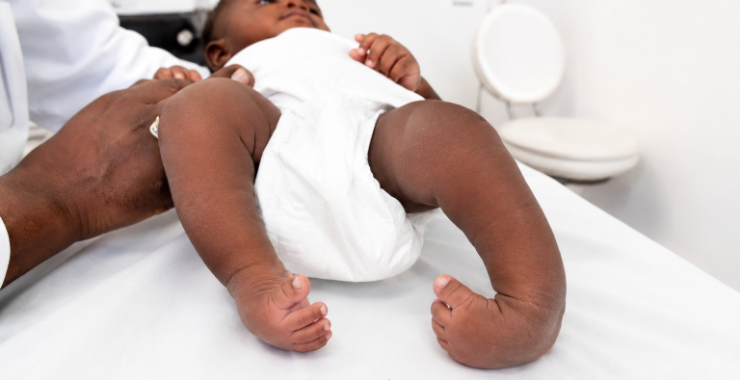
Clubfoot (Congenital Talipes Equinovarus)
Clubfoot is a congenital condition in which a baby is born with one or both feet twisted inward and downward. It is one of the most common birth defects affecting the musculoskeletal system and can occur in varying degrees of severity.
Causes
The exact cause of clubfoot is not fully understood, but several factors may contribute:
Genetic predisposition (family history of clubfoot)
Abnormal development of muscles, tendons, and bones during pregnancy
Neurological conditions such as spina bifida
Environmental factors during pregnancy, including smoking
Reduced amniotic fluid or restricted fetal movement (in some cases)
Signs and Symptoms
Common features of clubfoot include:
Foot turned inward and downward
Smaller foot and calf muscles on the affected side
Tight Achilles tendon
Limited range of motion in the foot and ankle
One or both feet may be affected
The condition is usually painless in newborns
Complications
If left untreated, clubfoot can lead to:
Difficulty walking normally
Walking on the outer edge or top of the foot
Pain and discomfort during movement
Reduced mobility and physical activity
Foot deformities that worsen with growth
Social and psychological challenges related to disability
Treatment
Early treatment provides the best outcomes and should ideally begin within the first few weeks of life.
1. Ponseti Method (Gold Standard Treatment)
Gentle stretching and manipulation of the foot
Weekly casting to gradually correct the deformity
Minor Achilles tendon procedure (tenotomy) if required
Use of a foot abduction brace to maintain correction
2. Physiotherapy
Stretching exercises
Strengthening exercises
Mobility and gait training
Parent education on home exercises
3. Surgery
Reserved for severe or resistant cases
May involve releasing tight tendons, ligaments, or repositioning bones
Management and Long-Term Care
Successful management requires ongoing follow-up to prevent recurrence.
Regular orthopedic reviews
Consistent use of prescribed braces
Physiotherapy to maintain flexibility and strength
Monitoring growth and walking patterns
Early intervention if signs of recurrence appear
Clubfoot is treatable. With early diagnosis, proper casting, bracing, and physiotherapy, most children can achieve excellent foot function and lead active, healthy lives.
Protecting your health information at every step.
Tibabu is your go to health and medical centre, we combine our passion for love with our love for humanity. We understand that your health defines us and believe that we are God's instruments, dedicated to delivery of the best quality healthcare.
Dereshe Towers Off Murang'a Road,
Ngara, 4107 - 00506, Nairobi